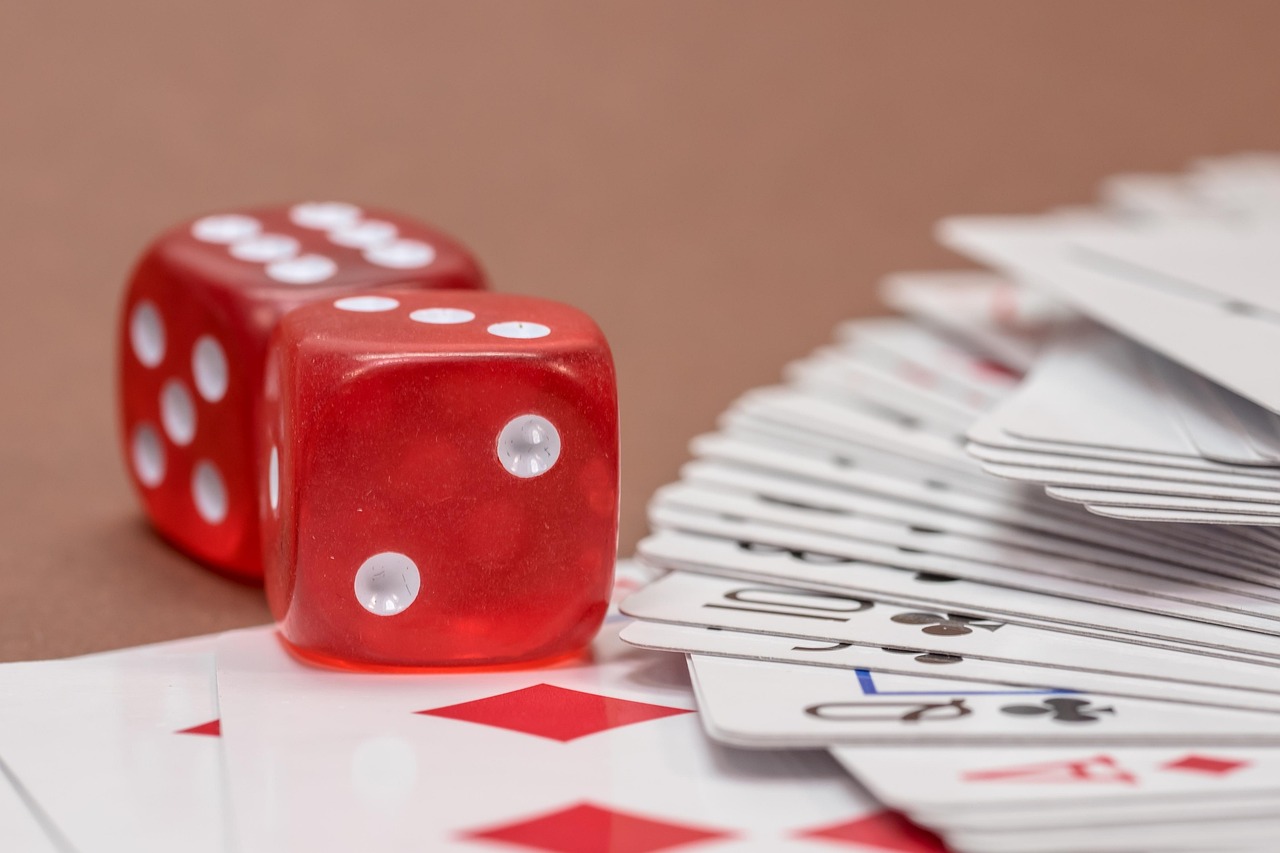
You’ve got $100 and a free evening. Do you spin the reels of a flashy slot, sit at a micro-stakes poker table, or throw it all on the underdog in tonight’s game? Most players pick based on gut feeling or whichever app loads first. But the three pillars of iGaming—casino games, poker, and sports betting—reward entirely different skills, temperaments, and bankroll strategies. Treat them the same and you’ll hemorrhage money. Treat them as distinct disciplines and you might actually enjoy the ride.
Every bet you place has a built-in cost. In iGaming, we call it the house edge. It’s the mathematical advantage the operator holds over you in the long run. Ignore it and you’re just gambling. Respect it and you’re investing in entertainment with a known price tag.
Slots are the most popular casino game for a reason: they’re simple, fast, and occasionally life-changing. But that simplicity hides a steep price. A typical online slot has a Return to Player (RTP) between 94% and 97%. That means for every $100 wagered, you lose $3 to $6 on average. Some high-volatility slots drop to 92% RTP. A $1 spin every five seconds burns through $720 per hour in total wagers, and at 96% RTP, your expected loss is about $28.80 per hour. That’s the real cost of chasing a jackpot. For more on this, see mahjong way 1.
Sports betting looks kinder on the surface. A standard point spread bet has a 50/50 outcome, but the sportsbook charges a vig—usually –110 on both sides. Bet $110 to win $100. That translates to a house edge of roughly 4.5%. Better than most slots, but still a leak. If you bet $50 per game on a full NFL Sunday slate of 14 games, you’re putting $700 in action. Expected loss? About $31.50. The book doesn’t need you to lose every bet—just enough to keep that 4.5% working.
Poker is the outlier. You’re not playing against the house; you’re playing against other players. The house takes a rake—typically 5% of the pot, capped at $3 or $5 in low-stakes cash games. If you’re the best player at the table, you can overcome the rake and turn a profit. But if you’re the fish, you’re the one paying for everyone else’s free drinks. Poker has the lowest house edge only if you have an edge. Otherwise, it’s the most expensive game in the room.
Here’s the thing about slots: they’re not designed to be beaten. They’re designed to be played. Modern video slots are engineering marvels—cascading reels, expanding wilds, buy-a-bonus features, and Megaways mechanics that offer 117,649 ways to win. But all those features exist to do one thing: keep you spinning.
If you love slots, treat them like a night at the movies. Set a budget, say $100. Pick a slot with a known RTP (most regulators require this to be published in the game rules). Volatility matters too. Low-volatility slots like Starburst pay small amounts frequently—great for stretching playtime. High-volatility slots like Book of Dead or Money Train 4 can go 100 spins without a win, then drop a 5,000x payout. Choose based on whether you want a long session or a lottery ticket.
Poker is a skill game disguised as gambling. The house takes its cut, sure, but the money moves from bad players to good ones. If you’re willing to study, you can join the winning side.
Start with micro-stakes cash games—$0.01/$0.02 blinds. The players are terrible, but the rake can eat your profits. A better path for beginners is low-stakes sit-and-gos or multi-table tournaments (MTTs). The rake is a flat fee, and you can leverage tournament theory: play tight early, steal blinds late, and push your stack when you have fold equity.
Three concrete skills separate winning poker players from losing ones:
If you’re not willing to put in the work, poker is a cruel trap. If you are, it’s the only iGaming vertical where a $50 deposit can become a sustainable side income.
Sports betting feels like you’re outsmarting the book. Sometimes you are. But the book has more data, faster algorithms, and a margin that guarantees they win in the long run. Your only edge is finding mispriced lines before they correct.
Sharp bettors focus on a few niche markets: obscure soccer leagues, player props, or live in-game betting where algorithms lag behind reality. They line shop—comparing odds across multiple sportsbooks—because a half-point difference on a spread can flip a losing bet into a winning one.
Example: You want to bet the Chiefs –7. Sportsbook A offers –110, Sportsbook B offers –105. That 5-cent difference doesn’t sound like much, but over 100 bets of $100 each, it saves you $250. That’s real money.
It depends on what you want. If you want pure, mindless entertainment with a shot at a massive payout, slots are fine—just accept the cost. If you want a mental challenge and the possibility of profit, poker is your game, but only if you’re willing to study. If you already watch sports religiously and have strong opinions on matchups, sports betting can be a fun way to add stakes—but treat it as a hobby, not a retirement plan.
The worst mistake is mixing them without understanding the math. Don’t use your poker winnings to fund slot spins. Don’t chase sports betting losses at the blackjack table. Each vertical has its own rhythm, its own edge, and its own trap.
No matter which game you choose, the house—or the rake, or the vig—always gets its cut. That’s not cynicism; it’s the business model. Your job is to decide how much you’re willing to pay for the experience, and whether the potential upside justifies the cost. Slots sell dreams. Poker sells skill. Sports betting sells knowledge. Know which one you’re buying before you click deposit.