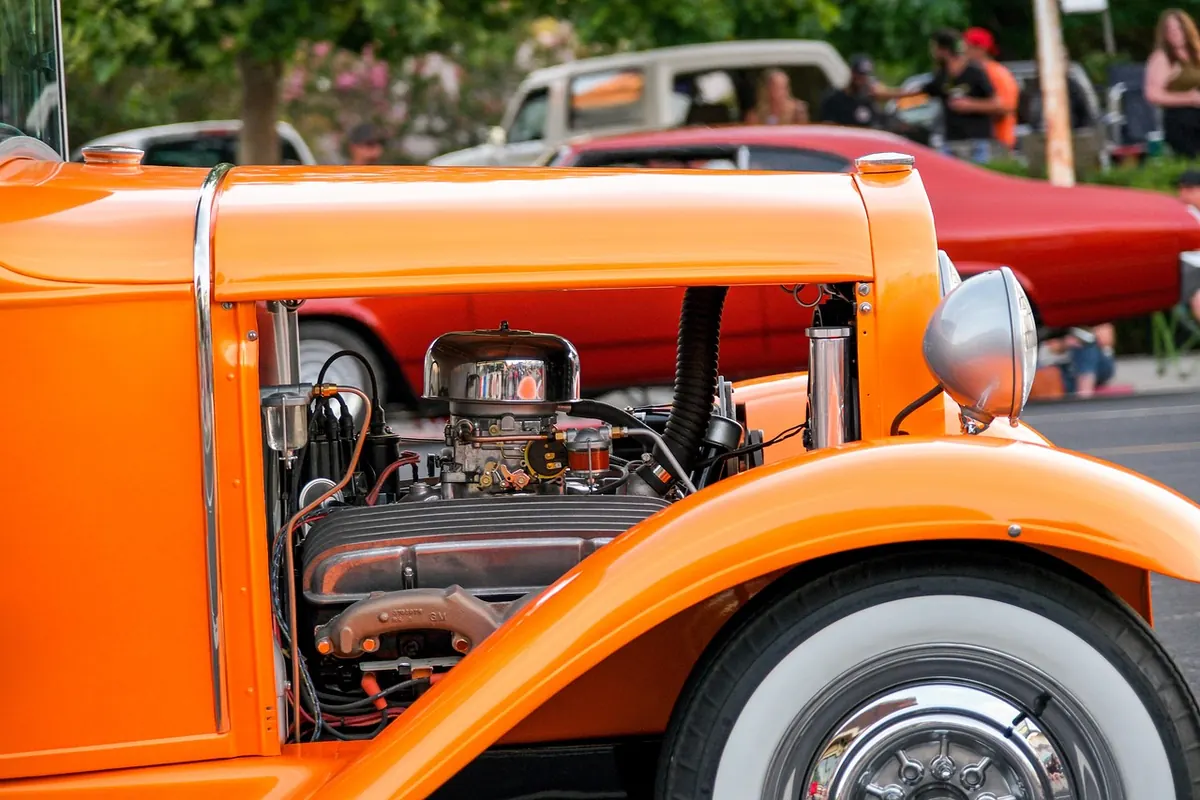
The classic car year in Wessex rarely opens with a fanfare. It opens with a damp field in March, a trestle table selling tea and a row of MGBs with their bonnets up while their owners argue, with total seriousness, about tyre pressures.
That field is the foundation of the season. On top of it sits a genuinely busy calendar: country house concours, autojumbles, hill climbs, charity runs, evening pub meets and the auction sales that shadow the bigger weekends. Dorset, Hampshire, Wiltshire, Somerset and the Isle of Wight can keep an enthusiast occupied from the first dry Sunday in spring to the last show in October.
What follows is a seasonal shape for 2026 rather than a fixed diary. Dates move, venues change hands and a wet forecast can empty a field within an hour, so treat this as a framework and confirm details with the organiser before you commit.
March to May is when the calendar refills. Weekday evening meets reappear, breakfast gatherings start before the frost has lifted, and the first substantial events cluster around Easter and the May bank holidays. Beaulieu, in the New Forest, is usually among the earliest venues to draw a proper crowd, while smaller houses such as Lulworth, Kingston Maurward and Breamore fill their lawns with everything from pre-war saloons to 1980s hot hatches.
Spring is also shakedown season. A car that has sat under a cover since October will reveal its weaknesses on the first twenty-mile run. That rattle you ignored in September becomes a failing water pump in April. Wise owners use the early events as diagnostic tools: a gentle run to a breakfast meet, a check of the temperature gauge on the way home, and a list of jobs that grows longer with every mile. The trick is to fix the small things before summer, when the calendar becomes too crowded to allow for spanner time.
The spring calendar has a rhythm of its own. The first big autojumble at Beaulieu usually lands in May, drawing traders and bargain hunters from across the south. Village hall shows appear on weekends that seemed empty a month earlier. Club nights move from the pub back to the car park, and the conversations shift from winter projects to summer plans. If you are new to the scene, spring is the best time to introduce yourself. Owners are relaxed, the season has not yet turned into a marathon, and there is usually room in the convoy.
June, July and August are the heart of the year. The calendar becomes dense, sometimes overwhelmingly so. A single weekend can offer a concours at a stately home, a hill climb, a charity cruise and two pub meets. Choices must be made, and the wise enthusiast keeps a spreadsheet, a tolerant family and a well-serviced car.
The big set pieces tend to fall into three categories. First, the country house concours: Wilton House, Beaulieu and the Isle of Wight’s Ryde seafront all host events where presentation matters as much as provenance. Second, the speed events: Gurston Down in Wiltshire offers a proper hill climb, with classic classes that range from pre-war specials to modern hot hatches. Third, the club rallies: marque-specific gatherings for MGs, Triumphs, Jaguars, Minis and everything in between, often held in fields with a barbecue and a raffle.
Summer is also when the auction houses get busy. Bonhams, Charterhouse and other regional specialists hold sales that coincide with the bigger weekends. Even if you are not bidding, an auction preview is a free museum with better stories. You can inspect a Ferrari 308, a Bristol 411 and a Morris Minor Traveller in the same afternoon, then listen to the auctioneer’s patter as the hammer falls. It is theatre, and it is useful for gauging what your own car might be worth.
“The best show is the one you almost didn’t attend,” one long-time Wessex organiser told me. “You turn up for a quick hour, meet someone who has the part you need, and end up staying until the field empties.”
That sentiment captures the summer season perfectly. The planned highlights are wonderful, but the unexpected conversations often matter more. A chance meeting at a picnic table can lead to a rare part, a recommendation for a specialist, or an invitation to a private collection. Bring a folding chair, a flask and an open mind.
September and October bring a softer kind of event. The light turns golden, the fields are firmer, and the crowds are smaller. The season’s final fling often centres on Beaulieu’s Autumn Autojumble and the Bonhams Beaulieu Sale, both of which attract serious buyers and sellers. It is a good time to hunt for winter projects: a barn-find Austin-Healey, a partially dismantled Rover P6, or a box of NOS Lucas parts that will keep you busy until spring.
Harvest runs and end-of-season meets fill the remaining weekends. Some clubs organise gentle tours through the New Forest, stopping at pubs and viewpoints. Others hold concours d’elegance with a harvest theme, where the cars are displayed alongside produce stalls and cider. The atmosphere is less frantic than summer, and the conversations are longer. Owners talk about winter rebuilds, engine swaps and the eternal question of whether to sell or keep.
By late October, the calendar is thinning out. A few hardy organisers run events into November, but most enthusiasts turn their attention to garages, parts catalogues and the first frost. The smart ones use this period to write a list of what needs doing, order the parts, and book the specialist before the spring rush begins.
The Wessex classic car scene is not just about polished bonnets. It is a year-round ecosystem of auctions, autojumbles, club nights and online forums. Beaulieu’s International Autojumble in September is the biggest, but smaller events at Frome, Dorchester and Salisbury can be just as fruitful. Club life matters too: the MG Owners’ Club, the Triumph Sports Six Club, the Jaguar Enthusiasts’ Club and countless local groups hold monthly meetings that range from formal talks to simply standing in a pub car park.
If you are restoring a car, the autojumble is your friend. You will find everything from a used overdrive unit to a set of period-correct number plates. If you are buying, the auctions offer a crash course in condition and value. And if you simply love cars, the club nights offer companionship without the pressure of a concours d’elegance. The Wessex scene is friendly, but it rewards those who make an effort to turn up regularly.
The 2026 season in Wessex will be shaped by the same things that shape every season: weather, enthusiasm and the willingness of volunteers to stand in a field at dawn. The cars are the excuse, but the community is the reason. Whether you drive a concours-winning Bentley or a slightly scruffy MGB with a leaking roof, you will find a place in the line-up.
So check the forecast, charge the battery, and make a rough plan. The first damp field is waiting, and the tea is already brewing.
Photo: RosalieMeak / Pixabay