Ask around in any Wessex town — Salisbury, Dorchester, Andover, Poole — and you will notice something. People do not recommend a brand. They recommend a person: the mechanic who rang them back, showed them the worn bush, and charged what he said he would. A good local garage is worth more than any national chain's advertising budget, but you usually only find out whether you chose well after the keys have changed hands. The eight questions below take ten minutes to ask, and they will tell you most of what you need to know before a spanner moves.
Before you ring anyone, spend a few minutes reading. On review sites, look at the recent, detailed reviews rather than the overall star rating; a garage that answered a complaint sensibly tells you more than fifty five-star ratings with no comment. Check whether the workshop does repairs, testing, or both. A test-only station has no financial interest in finding faults; a garage that tests and repairs is perfectly capable of being honest, but it is worth knowing which one you are dealing with.
Also check the small print of your own situation. If the car is leased, still under a manufacturer warranty, or covered by a service plan, read the terms before you commit to anything. And if your vehicle is a hybrid or electric model, be aware that not every workshop is equipped or trained for high-voltage work — that is a question in its own right.
Ask these on the phone or at the counter, before the car is booked in. The answers matter more than the tone in which they are given.
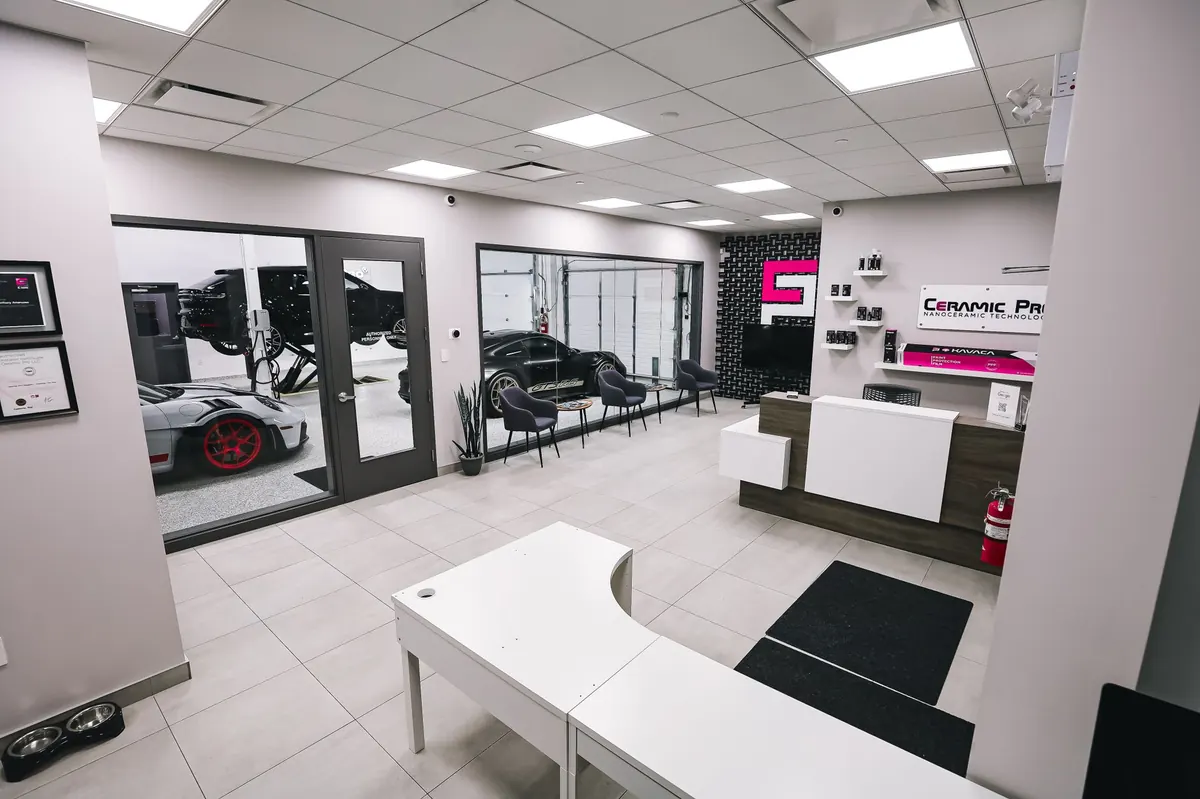
The workshop itself says a lot. Are cars being worked on, or just parked in a queue? Is the place cluttered but organised, or genuinely chaotic? Can the person at the desk explain what a service includes without reading from a screen? Are fluids and parts stored properly, and can the garage update your manufacturer service record electronically?
Ask about the small things too. Do they use the oil grade and specification the manufacturer lists? Do they keep your service history on file so the next job starts from what was done last time? Do they use proper diagnostic equipment rather than a generic code reader that clears the light and hopes for the best?
A reliable garage becomes more useful the longer you use it, because a mechanic who knows your car's history spots a worn hose or a tired bush before it becomes a breakdown on the A303. So make the relationship easy to maintain. Book MOTs and services a few weeks ahead rather than the day before. Describe symptoms honestly and specifically — it happens on a cold start, it shudders at motorway speeds, the warning light comes on when turning left. Bring your paperwork, pay a fair price without haggling over a tenner on a small job, and read the invoice before you file it.
Keep every receipt, including the ones that seem trivial. If something goes wrong, talk to the garage first; most problems are sorted quickly by a firm that values its local reputation. If you cannot resolve it, put your complaint in writing and remember that consumer law gives you rights over services as well as goods — Citizens Advice or the relevant ombudsman scheme can point you towards the correct route. For anything involving a large sum, a warranty dispute or a lease agreement, it is worth taking proper advice before you act.
Choosing a garage is not really about the building or the sign. It is about whether the people inside will answer a straight question honestly, tell you when a repair can wait, and stand behind the work when it matters. Ask the eight questions, listen to the answers, and you will have found the kind of place Wessex drivers keep for decades.
Photo: WAVYVISUALS / Pexels