Buying a used car around Salisbury is rarely as simple as finding one you like the look of. There are sensible dealerships on the edge of the city, private sellers in villages out towards Downton, Wilton and the Wylye Valley, and plenty of adverts that look far better on a phone screen than they do on a wet Tuesday morning. The difference between a good buy and an expensive lesson usually comes down to an hour of preparation.
This is a beginner's guide, and it assumes very little. You need a torch, a tyre gauge, your phone, and the willingness to walk away. No mechanical expertise required.
Ask for the registration number before you arrange a viewing. With it, you can check the car's MOT history on the government's free online service, which lists the mileage recorded at every test along with advisories and failures. If the mileage jumps around, or a car has been tested far more often than its age suggests, ask why before you travel.
The mileage record is more revealing than most people expect. A car showing 60,000 miles that was recorded at 62,000 two years earlier means either a clerical error or an odometer that has been "corrected". Repeated advisories for the same item — corroded brake pipes, worn suspension bushes, an oil leak — tell you the owner ignored them until the test forced their hand.
Get an insurance quote on the registration too. It takes five minutes, and discovering a car is expensive to insure after you have agreed a price is a waste of a morning. Two similar-looking hatchbacks can differ by hundreds of pounds a year for the same driver.
Then set a realistic budget. The purchase price is only the beginning: tyres, a service, road tax and any repairs all arrive in the first few months. A £3,000 car can easily swallow another £700 to put right, and a cambelt that has never been changed is a bill waiting to happen. If you plan to use finance or borrow money, read the terms carefully and take proper advice before signing anything.
Last thing: insist on seeing the car with a cold engine. A seller who has warmed it up beforehand, or who suggests you come back later, is telling you something.
Walk around the car slowly, in daylight, before you open anything. Bodywork and tyres tell you how it has been treated.
Inside, sit in every seat and work every switch: windows, mirrors, heating, air conditioning, radio, lights. Before you start the engine, all the dashboard warning lights should illuminate, then go out once it fires. One that stays lit is a question to ask, not a detail to overlook.
Ask to see the V5C registration document and check that the seller's name and address match where you are standing. If the car is being sold on someone else's behalf, be cautious and ask questions. Compare the vehicle identification number on the document with the one stamped under the bonnet or in the door shut.
Service records matter more than a shiny paint finish. A stamped book or a folder of invoices shows a car has been looked after; a gap of two or three years suggests the owner stopped caring. MOT history and the odometer should agree.
Outstanding finance is the classic private-sale trap. A paid history check costs little against the risk, and it also flags insurance write-offs and stolen vehicles. Where finance is involved, get everything in writing and seek proper advice before you part with any money.
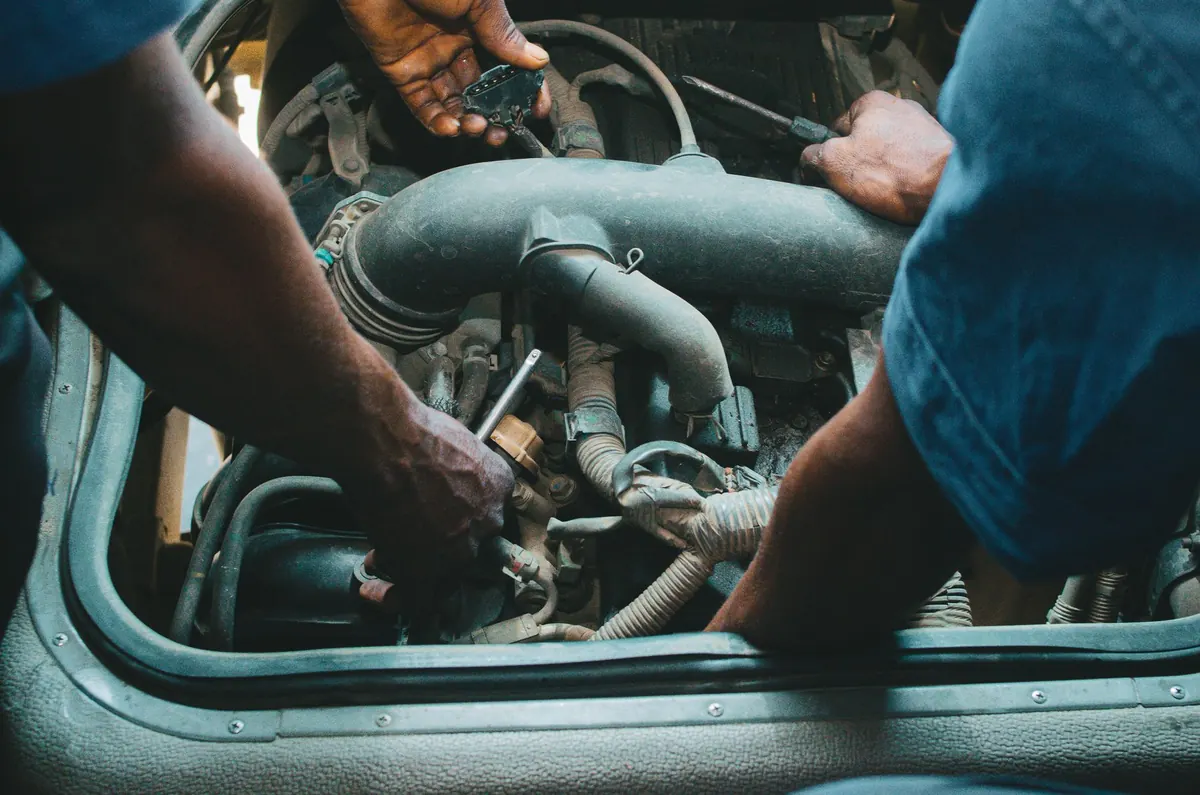
You should be the one to start the engine, with the seller standing beside you. Listen for rattles, whines or a long, reluctant crank. Once it is running, walk to the back and watch the exhaust. A little steam on a cold morning is normal; blue smoke suggests burning oil, and thick white smoke that lingers is worse news.
While the engine idles, check that the heater blows hot and the air conditioning blows genuinely cold. Turn the steering from lock to lock and listen for groaning, and press the clutch and brake pedals to feel for sponginess. Any light that refuses to go out — engine management, ABS, airbag — needs explaining before money changes hands.
Let it idle for a couple of minutes and watch the temperature gauge. It should climb steadily to the middle and stay there. A needle that keeps rising in stationary traffic hints at a tired cooling system, and that is the sort of fault that ruins a summer journey.
A quick lap around the block proves almost nothing. Ask for twenty minutes and plan a route that includes town traffic, a fast road, a roundabout and a hill. From Salisbury you have the A36, the A30 towards Wilton and a network of smaller lanes to choose from.
Before you drive, sort out insurance. A dealer will normally have cover, but many private policies offer only third-party cover for other cars, if anything at all. Arrange temporary cover on the registration number in advance, and never assume you are covered.
Ask the seller how long they have owned the car and why they are selling. Check how many previous keepers are recorded on the V5C. Two owners in twenty years is very different from six in five years, and a car bought three weeks ago with no explanation deserves a second look.
Ask about the last MOT's advisories, whether the cambelt has been changed, when the brakes and tyres were last replaced, and whether there are two keys. Then check the answers against the paperwork in front of you rather than taking them on trust.
Anyone who produces receipts without being asked, knows the car's history and does not rush you is usually a safer seller than the one with the shiniest advert.
Negotiate on facts, not feelings. A worn tyre, a missing service stamp or an MOT advisory gives you a reason to offer less, and most sellers expect it. Agree the price, then write a simple receipt covering the date, the price, both names and addresses, the mileage and the vehicle identification number. If you pay a deposit, get a receipt for that too, and never hand over money before you have seen the V5C.
On the day you collect, work through a short routine before you drive away:
Arrange a service and a fresh set of fluids in the first few weeks, and keep every invoice — the next buyer will ask for them, just as you did.
Photo: Abasiakan / Pexels